Azərbaycan
ADDIM 3: Tətbiq edin və yaxalayın Ahonun qayğını maddi və bədənlə bağlı proses kimi araşdırmasını davam etdirir.
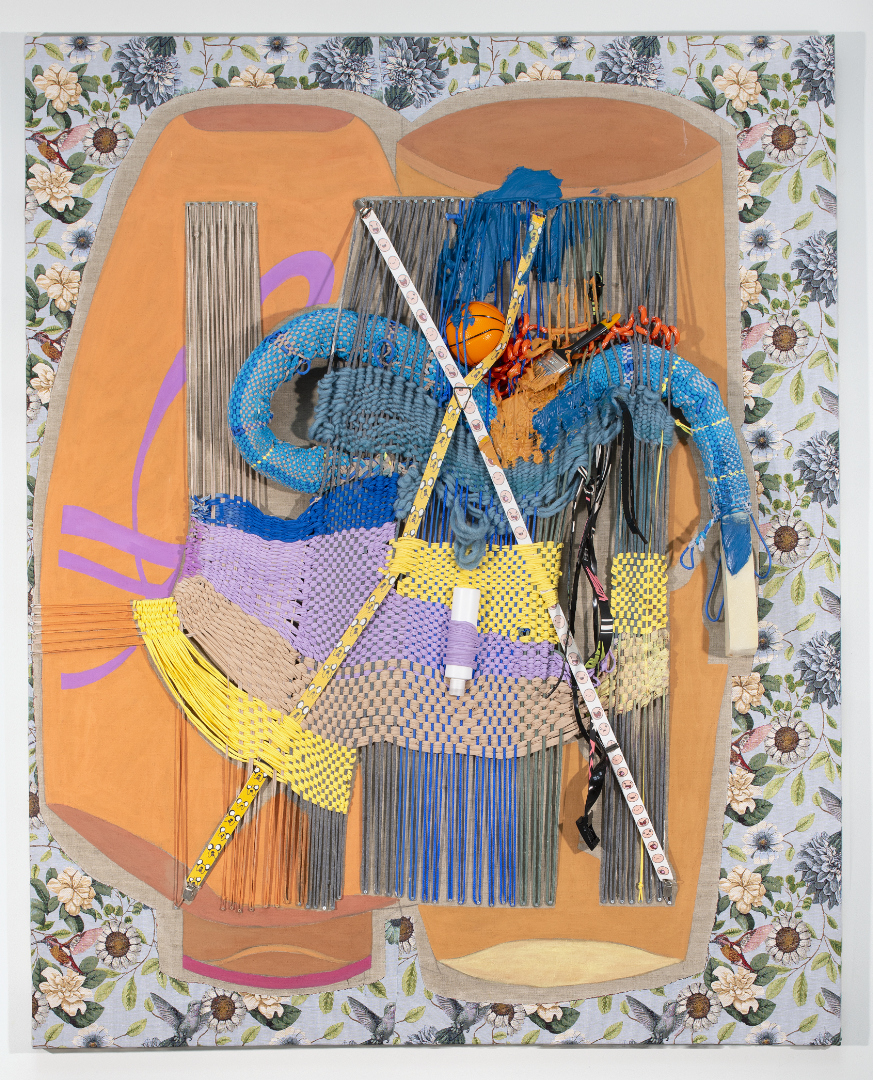
Əsərin adı kompozisiyada böyüdülmüş şəkildə təqdim olunan iki qabdan -rəssamın qızının istifadə etdiyi şampun və saç kremindən yaranır. “Tətbiq edin” və “yaxalayın” gündəlik istifadə təlimatı olmaqdan çıxaraq baxım, təkrar, yaxınlıq və yenilənmə dövrlərinə işarə edir.
Aho bu jestləri birbaşa təsvir etmir; onları toxunmuş strukturlar, rənglənmiş səthlər və yığılmış materiallardan ibarət toxunsal sahəyə çevirir. Tekstil, akril və tapılmış obyektlərin qatları elə bir vizual dil yaradır ki, burada qayğı sentimental hal kimi deyil, təkrarlanan, fiziki və çox vaxt görünməyən əmək kimi görünür.
Əsər tamaşaçını gündəlik rutinlərin yaddaşı, kimliyi və bədənlə münasibəti necə formalaşdırdığı barədə düşünməyə dəvət edir. Məişət obyektləri arzu, istək, rifah axtarışı və bədənə diqqət daşıyıcılarına çevrilir, eyni zamanda öz istehsal və material tarixlərini də qoruyur.
Sərgi daxilində ADDIM 3 tekstilin ötürmə vasitəsi kimi anlaşılmasını genişləndirir. Bilik yalnız hekayələr və arxivlər vasitəsilə deyil, zamanla təkrarlanan prosedurlar, vərdişlər və jestlər vasitəsilə də daşınır.
English
STEP 3: Apply and Rinse continues Aho’s exploration of care as a material and embodied process.
The title derives from two enlarged bottles represented within the work: shampoo and conditioner used by the artist’s daughter. Their instructions, apply and rinse, become more than practical directions. They point to cyclical processes of maintenance, repetition, intimacy and renewal.
Rather than representing these gestures directly, the work translates them into a tactile field of woven structures, painted surfaces and assembled materials. Layers of textile, acrylic and found objects create a visual language in which care appears not as sentiment, but as labour: repeated, physical and often unnoticed.
The work invites viewers to consider how daily routines shape memory, identity and relationships with the body. Domestic objects become carriers of desire, aspiration and the pursuit of wellbeing, while also holding their own material and production-based histories.
Within the exhibition, STEP 3 expands the understanding of textile as a medium of transmission. Knowledge is carried not only through stories and archives, but through procedures, habits and gestures performed over time.